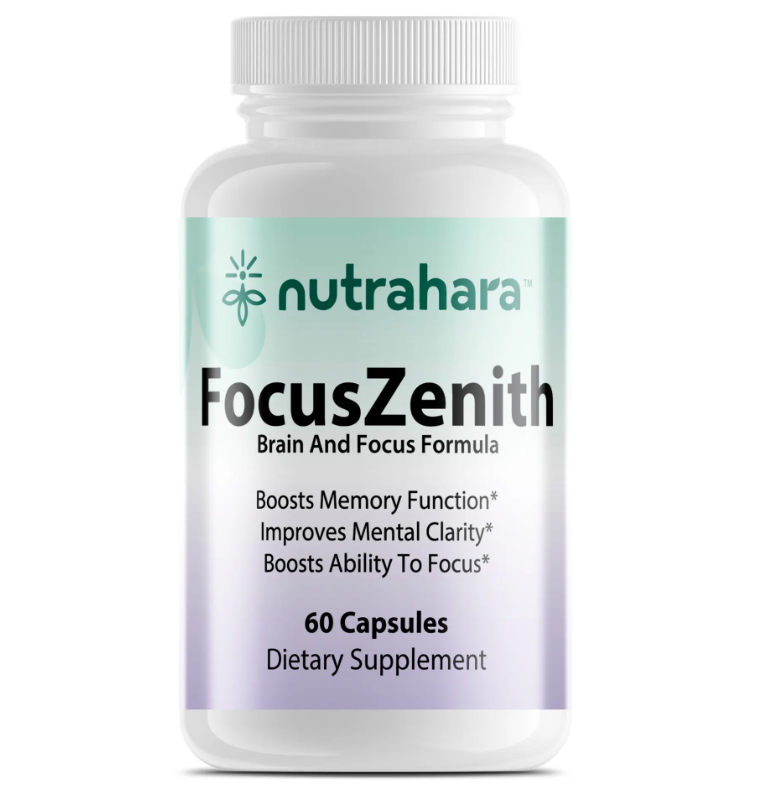
There are days when concentration feels oddly fragile, even with enough coffee and a decent breakfast. You sit down, open the screen, and somehow the mind starts wandering in ten directions at once. That is usually when people begin looking at a focus supplement for a little extra support. At the same time, poor sleep often sits quietly behind the problem, which is where RestoraSleep starts sounding relevant, too. Focus and rest are not separate little worlds, and that matters more than people think.
Better attention usually starts before the supplement does
A supplement can support concentration, sure, but it cannot fully rescue a routine built on bad sleep and scattered habits. Skipping breakfast, drinking too little water, and jumping between tasks all morning can make attention feel thin and jumpy. A focus supplement tends to make more sense when the basic routine is already somewhat stable. Protein in the morning, fewer distractions, and a cleaner work block often do more than people expect. The boring stuff keeps being useful, which is mildly annoying but true.
Sleep support changes the next day more than people notice
A rough night does not just make someone sleepy. It can lower patience, slow memory, mess with reaction time, and make simple work feel heavier than it should. That is why products like Restorasleep get attention from people who are not only chasing rest, but also trying to function better the next day. Sleep support matters because mental sharpness starts the night before. When rest keeps falling apart, the brain usually pays for it in a dozen small irritating ways afterward.
Ingredient lists deserve a slower and less trusting look.
This is where people should calm down and read properly. A focus supplement may include caffeine, L-theanine, B vitamins, ginseng, or other ingredients linked with alertness and mental performance. restorasleep type formulas may lean toward magnesium, melatonin, herbal extracts, or calming amino acids. None of that should be judged by marketing words alone. The better move is checking dosages, ingredient quality, and whether the formula looks balanced instead of loud. Fancy product names do not tell you very much.
Timing makes more difference than some people expect
Even a decent product can feel disappointing when used carelessly. A focus supplement taken too late in the day may interfere with sleep, especially if stimulants are involved. Then the next day gets worse, not better, which becomes a frustrating loop. On the other side, something like restorasleep works better when paired with a calmer bedtime routine, less screen glare, and lighter evenings. Supplements usually behave more sensibly when the timing around them is handled with some thought and not pure guesswork.
One product cannot do every job at once
People sometimes buy wellness products while secretly hoping one bottle will fix concentration, sleep, mood, energy, and motivation together. That usually leads to disappointment and a cluttered kitchen shelf. A focus supplement is generally aimed at daytime clarity and attention support. restorasleep is more aligned with nighttime recovery and calmer rest patterns. Those are related goals, obviously, but they are still different goals. It helps to know which problem is actually loudest before picking support, otherwise the whole thing gets messy fast.
Conclusion
Wellness support makes more sense when it matches a real daily need instead of a random impulse buy. On nutrahara.com, products like a focus supplement and restorasleep are easier to understand when they are placed inside a routine that already respects sleep, hydration, food quality, and work habits. Better focus usually depends on better rest more than people want to admit, and better rest often improves mental clarity without much drama. Read labels carefully, think about your actual routine first, and choose support that fits the part of the day you are really trying to improve.