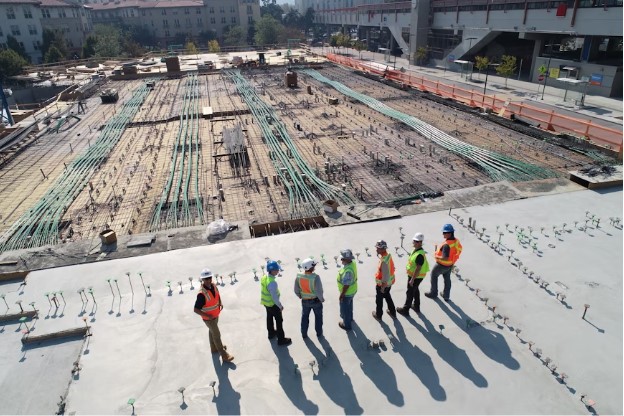
Construction projects don’t just happen on their own. They require planning and coordination, as well as the right people to make such things work. And this is where construction management and civil construction come in. One will be responsible for overseeing the project, and the other will be responsible for the physical building.
They go hand in hand in ensuring that everything goes smoothly, start to finish. In this blog, we will take a closer look at the role of construction management in facilitating civil construction and how both are essential to a successful, large-scale project
The Role of Construction Management
Construction management involves all the planning, coordination, and control of construction projects. It is not only about construction, but it is also about ensuring that all steps in the process are seamless.
A construction manager directs the construction site, employees, and contract supervision, and communicates with clients and the engineering team. They develop a comprehensive timetable and ensure compliance with it by all the participants.
They also decide about the materials, safety measures, and schedule. In their absence, projects may fall behind schedule and incur over-budget or legal issues.
What Does Civil Construction Involve?
Civil construction is, at its core, the physical construction of such facilities as highways, tunnels, railroads, and pipelines, as well as other forms of public infrastructure. The process begins by cutting down trees and preparing the ground as well as the foundation.
This type of work involves heavy equipment, solid planning, and an expert workforce. It also entails observing high safety standards and adhering to environmental policies. Civil projects are typically long-term, with use to the population, unlike in the case of general construction.
Where They Work Together
Construction management and civil construction go hand-in-hand. For example, consider a group of individuals involved in constructing a new road; they will need a planned road. The construction manager will create the schedule, establish contacts with suppliers, and ensure that construction workers are productive and safe. The civil team, on the other hand, handles the groundwork, materials, and construction.
Through collaboration, they avoid mistakes and are able to complete a project much quicker. Communication between the two will lead to solving some of the issues at the early stages before they prove to be expensive.
Why Good Management Matters in Civil Work
Civil projects are often funded by governments or big organizations. They can’t afford delays or poor quality. That’s why good management is key. Construction managers bring accountability. They track progress, check budgets, and make sure rules are followed.
For example, if bad weather slows work, the manager adjusts the schedule. If materials are delayed, they find alternatives. They make decisions that keep things moving.
Real-World Benefits
When construction management supports civil construction properly, everyone wins. Roads open on time. Bridges last longer. Cities grow safely.
It also uses less materials, reduces expenses, and enhances worker safety. Additionally, it builds more competent and sustainable infrastructure, which is beneficial to all of us in the long run.