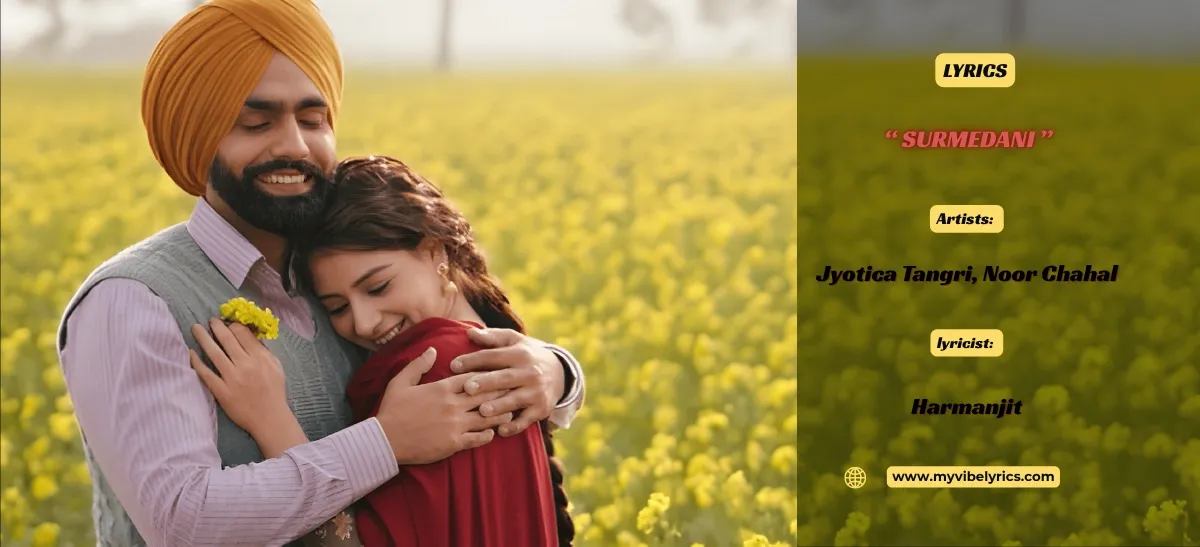
Punjabi music has a special place in the hearts of listeners because its lyrics often express emotions, culture, relationships, and everyday experiences. myvibelyrics.com provides a useful starting point for exploring Punjabi lyrics, understanding popular musical expressions, and discovering the meaning behind familiar songs. Some Punjabi tracks make people dance immediately, while others become memorable because of their emotional words. There are songs about love, friendship, family, celebrations, separation, confidence, and personal struggles. The language itself carries a distinctive rhythm that can make even simple expressions feel powerful. Understanding the words adds another layer to listening, especially for people who enjoy Punjabi music but do not understand every phrase. Lyrics are not simply words placed over a musical arrangement. They often reflect the experiences, language, and creative choices of the people who write and perform them.
Understanding Punjabi Song Expressions
Punjabi lyrics often use expressions that carry more meaning than their direct translations suggest. A familiar phrase may refer to affection, respect, pride, disappointment, or a particular cultural experience. Translating every word separately does not always explain what the songwriter intends to communicate. The surrounding lines usually provide important clues about the actual meaning.
Some expressions are connected with everyday conversations and regional language habits. Others come from traditional poetry, folk music, or familiar Punjabi sayings. These influences make lyrics interesting because listeners can recognize certain expressions from their own surroundings. A phrase used in a romantic song may sound completely different when performed in a folk style.
People learning Punjabi can benefit from reading lyrics alongside listening to the original recording. This helps them understand pronunciation, sentence structure, and the way certain words sound when sung. Repeating unfamiliar phrases can also improve recognition over time. However, listeners should remember that poetic language sometimes changes ordinary grammar to match rhythm and musical expression.
Romantic Themes In Punjabi Music
Romantic songs remain an important part of Punjabi music across several generations. Their lyrics may describe attraction, affection, commitment, distance, memories, or the excitement of meeting someone special. Some songs express feelings through direct words, while others depend on comparisons and poetic imagery.
A romantic lyric does not always describe a perfect relationship. Certain songs explore misunderstandings, waiting, emotional uncertainty, or the difficulty of staying connected. These subjects make the writing relatable because real relationships involve different experiences. Listeners may connect with one particular line because it reminds them of something they have experienced personally.
The vocabulary used in romantic Punjabi songs can also be interesting for language learners. Words connected with beauty, feelings, promises, and memories appear in different forms. Their pronunciation may change slightly according to singing style and regional influence. Understanding the complete sentence usually provides a better explanation than translating an individual word.
The Influence Of Punjabi Folk
Punjabi folk music has influenced many modern songs and continues to shape musical expression. Traditional songs often include themes connected with farming, family relationships, seasonal celebrations, migration, and village life. Their lyrics provide glimpses into experiences that have remained important across generations.
Instruments such as the tumbi, dhol, algoza, and traditional string instruments have strong connections with Punjabi musical traditions. Their sounds can create an energetic atmosphere even before the singer begins performing. The lyrics often follow rhythmic patterns that work naturally with these musical arrangements.
Modern Punjabi artists sometimes combine folk influences with contemporary production techniques. A traditional expression may appear alongside electronic beats, modern instruments, or international musical styles. This combination allows familiar cultural elements to reach different audiences. It also creates opportunities for younger listeners to discover older musical traditions.
Folk lyrics should be understood within their cultural setting. Certain references may involve regional customs, agricultural activities, or historical experiences that are unfamiliar to newer listeners. Learning a little about that background can make the words much easier to appreciate.
Reading Lyrics While Listening
Reading lyrics while listening to a song can improve understanding considerably. It allows listeners to connect written words with the actual pronunciation used by the singer. This becomes especially useful when a recording includes fast verses or regional expressions.
Start with a song that has a comfortable pace. Listen once without reading anything and notice the overall feeling. During another listen, follow the available lyrics and identify unfamiliar words. Search for their meanings using reliable language resources rather than guessing from a single translated phrase.
Some Punjabi words may have several meanings depending on context. A word connected with pride, for example, might express confidence in one song and arrogance in another. The surrounding lines help explain which meaning fits. This is why understanding a complete verse is often more useful than translating every word independently.
It also helps to notice repeated phrases and chorus sections. These parts often contain the central idea of the song. Once their meaning becomes clear, the remaining verses may be easier to understand.
Punjabi Lyrics In Celebrations
Punjabi music is closely connected with celebrations, family gatherings, weddings, and community events. Many songs are selected because their rhythm creates an energetic atmosphere and encourages people to participate. The lyrics may include references to friendship, dancing, happiness, family traditions, and special occasions.
Wedding music has its own variety of expressions and styles. Some songs are playful and involve friendly teasing, while others focus on emotional family moments. Traditional wedding songs can also reflect relationships between relatives and the customs followed during different ceremonies.
Bhangra music is particularly recognizable because of its lively rhythm and energetic performance style. Dhol beats often create the foundation for dancing, while singers use expressive vocals and memorable phrases. The lyrics may celebrate confidence, friendship, cultural identity, and enjoyment.
Not every celebration song needs complicated writing. Simple repeated expressions can become memorable when they fit the rhythm properly. Their popularity often depends on how naturally listeners can sing along and enjoy the music together.
Understanding Punjabi Slang
Punjabi songs sometimes include slang and informal expressions that are common in everyday conversations. These words can make a track sound modern, playful, confident, or connected with a particular community. However, slang does not always translate directly into formal English or standard Punjabi.
Regional differences can influence how an expression is understood. A phrase familiar to listeners in one area may sound unusual somewhere else. Some words also change meaning when used among friends compared with their meaning in formal situations.
Language learners should avoid memorizing slang without understanding its context. A phrase that sounds natural in a song may not be suitable for every conversation. Listening to different speakers and checking reliable explanations can help prevent misunderstandings.
Songwriters also use informal language to create a recognizable identity. Their word choices may reflect age, location, personal style, or the intended audience. This variety is one reason Punjabi lyrics continue to evolve.
The Role Of Punjabi Poetry
Poetry has played an important role in Punjabi literary and musical traditions. Many songs use poetic techniques such as repetition, comparisons, imagery, and symbolic expressions. These techniques help communicate feelings without explaining everything directly.
A songwriter might compare someone’s presence with sunlight or describe separation through changing seasons. Such expressions are not necessarily intended as literal statements. They create images that help listeners understand the emotional atmosphere of a verse.
Repetition is another common technique in music. A particular phrase may appear several times because it supports the melody and reinforces the central message. When used thoughtfully, repetition can make lyrics easier to remember without making the writing feel empty.
Punjabi poetry also includes different regional traditions and writing styles. Some works use simple conversational language, while others contain older vocabulary and more elaborate expressions. Exploring these differences can improve appreciation for both traditional and modern songs.
Punjabi Music Across Generations
Punjabi music has changed considerably over the years, although several traditional elements remain recognizable. Earlier recordings often reflected folk influences, regional instruments, and straightforward musical arrangements. Newer productions may include electronic sounds, international collaborations, and a wider range of musical genres.
Older songs remain popular because their lyrics and melodies continue to connect with listeners. Some people enjoy them because they remember hearing the music during childhood or family celebrations. Others discover older tracks through online collections and recommendations.
Modern Punjabi songs often reach audiences through streaming platforms and social media. Short musical clips can introduce a track to people who might not otherwise discover it. A memorable chorus may become popular through dance videos, performances, or shared recordings.
The differences between generations do not mean one style must replace another. Traditional and contemporary music can exist together. Listeners can enjoy older folk expressions while exploring newer songwriting techniques and production styles.
Learning Punjabi Through Songs
Music can provide an enjoyable way to become familiar with another language. Punjabi learners may recognize common words more easily when they hear them repeatedly in familiar songs. Melodies also help some listeners remember pronunciation and sentence patterns.
Choose songs with understandable vocals and lyrics that match your current language level. Begin with repeated chorus lines because they often contain shorter expressions. Write down unfamiliar words and check their meanings through reliable dictionaries or language references.
Pronunciation deserves particular attention because written Punjabi can appear in different scripts. Gurmukhi is commonly used for Punjabi writing in India, while Shahmukhi is widely used in Pakistan. Romanized spellings also appear online, although they are not always consistent.
A learner should not assume that every Romanized spelling represents one fixed pronunciation. Regional accents and individual singing styles can influence how words sound. Listening carefully and comparing different examples can improve understanding.
Finding Accurate Song Lyrics
Finding accurate lyrics is important when listeners want to understand a particular song. Unofficial copies sometimes contain spelling mistakes, missing lines, or incorrect translations. These problems can change the meaning of an entire verse.
Start by checking whether the artist, record label, or an established music service provides the lyrics. Compare uncertain lines with the original audio before accepting a translation. Some websites may display incomplete versions, particularly when songs contain regional expressions.
Copyright also matters when sharing song lyrics online. Full lyrics from copyrighted songs should not be copied or republished without appropriate permission. Readers can discuss a song’s meaning, summarize its themes, or quote limited material where legally permitted. Respecting the work of lyricists and music creators supports a healthier music community.
When researching a song, record its correct title and artist information. Similar song names can create confusion, especially when several singers have released tracks with related titles. Accurate identification makes searches more useful and helps listeners find the intended recording.
Conclusion
Punjabi lyrics offer much more than memorable musical phrases and catchy chorus sections. They reflect cultural traditions, personal emotions, regional language, poetry, and changing musical preferences. Understanding their meanings can make familiar songs more enjoyable while helping listeners discover new expressions. Reading lyrics alongside recordings also provides useful opportunities for language learning and cultural exploration. Explore more Punjabi music content through myvibelyrics.com, discover the meaning behind songs you enjoy, and continue building a deeper connection with Punjabi music and its creative traditions.
Read also :-