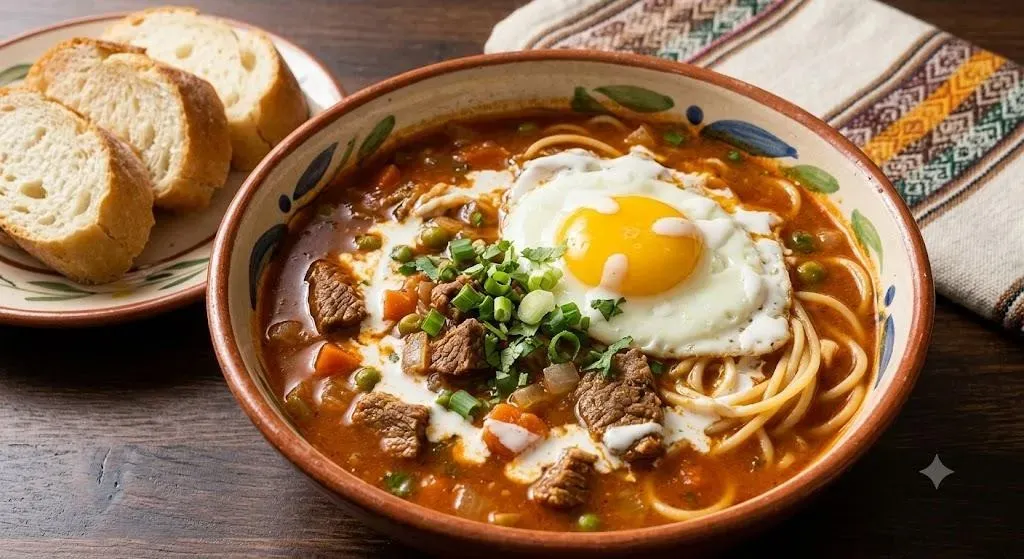
Homemade rice can taste much better when you pay attention to a few simple cooking details. The ingredients do not need to be expensive, and the recipe does not have to be complicated. On bestmenuideas.com, readers can explore practical cooking ideas that make everyday meals more enjoyable. Rice is often served with curries, vegetables, chicken, or other dishes, so its flavor should match the rest of the meal. Small changes in seasoning, cooking liquid, and preparation can improve the result without creating extra work. Once you understand how these ingredients work together, preparing tasty rice becomes easier.
Start With Good Quality Rice
The type of rice you choose affects both the flavor and the final texture. Basmati rice is commonly used for pulao and biryani because its long grains can remain separate when cooked properly. Shorter-grain varieties may suit dishes that need a softer or stickier texture. Before cooking, check the rice for unwanted particles and rinse it under clean water. This helps remove excess surface starch that can cause the grains to stick together. Some varieties also benefit from soaking before cooking. Follow the recommended preparation method for your chosen rice rather than assuming every variety needs the same treatment.
Measure Water With Care
Water plays an important role in the texture of cooked rice. Too much water can make the grains soft and mushy, while too little may leave them firm in the middle. The correct amount depends on the rice variety, soaking time, cooking method, and type of pan. Start with the instructions on the package and adjust gradually as you learn how your rice behaves. Keep the lid closed while the rice cooks because frequently releasing steam can affect the result. If the rice needs more time, check it gently rather than stirring repeatedly. Accurate measurements make it easier to achieve consistent results.
Build Flavor Before Adding Rice
Many flavorful rice recipes begin with a few ingredients cooked in oil or ghee. Chopped onions, garlic, ginger, cumin seeds, or whole spices can create a fragrant base before the rice and cooking liquid are added. Let the ingredients release their aroma over moderate heat without allowing them to burn. Onions may need a little longer than garlic, which can turn bitter when cooked too aggressively. You can also add vegetables at this stage if they need extra cooking time. The goal is to develop a balanced flavor before the rice begins absorbing the liquid. A carefully prepared base can improve the entire dish.
Choose Spices That Work Together
Spices can make rice more interesting, but using too many at once may produce an unbalanced flavor. Cumin, cinnamon, cardamom, cloves, and bay leaves are common choices for savory rice dishes. For a simple everyday recipe, you may only need cumin and a small amount of black pepper. Basmati pulao can work well with a combination of whole spices, while lightly seasoned rice may need very little. Consider the other food being served alongside the rice before choosing your seasoning. Strong spices can overwhelm delicate vegetables or sauces. Start with small quantities and increase them only when the recipe needs more flavor.
Use Fresh Ingredients When Possible
Fresh ingredients can bring natural flavor and texture to homemade rice. Carrots, green peas, beans, corn, and bell peppers are useful additions to vegetable rice. Chop them into similar-sized pieces so they cook at a reasonably even rate. Fresh coriander, mint, and spring onions can add brightness when sprinkled over the finished dish. If you are using frozen vegetables, add them according to their cooking requirements so they do not become overly soft. You can also include cooked chicken or other prepared ingredients when the recipe calls for them. Keep the quantities balanced because too many additions may change the cooking time and moisture level.
Try Different Cooking Fats
The fat used in a rice recipe can influence its aroma and overall richness. Neutral cooking oil works well for everyday rice because it allows the other ingredients to stand out. Ghee can provide a richer taste that suits pulao and many Indian-style rice dishes. Butter may work in milder recipes, especially when the rice is served with vegetables or grilled foods. You do not need to use a large amount to notice a difference. Start with a small quantity and consider the richness of the other dishes in the meal. Too much fat can make the rice heavy and hide its natural flavor.
Avoid Stirring Too Often
Once the rice and liquid are cooking together, frequent stirring can damage the grains. Moving the rice around repeatedly may release more starch and make the finished dish sticky. Keep the heat controlled and allow the grains to cook undisturbed whenever the recipe permits. If the pan begins to boil too vigorously, reduce the heat rather than stirring constantly. When the liquid has been absorbed, check whether the rice is tender before turning off the heat. Letting it rest with the lid on for several minutes can help the remaining steam finish the cooking process. Fluff the rice gently with a fork before serving.
Adjust The Flavor Before Serving
Taste the rice before bringing it to the table. If the flavor seems flat, a small amount of salt may help, provided the dish is not already salty. Fresh herbs or a little lemon juice can brighten some savory recipes, while a small amount of butter or ghee may add richness. Make one adjustment at a time so you can understand how each ingredient affects the result. Avoid adding several strong seasonings at the last moment because they may not blend evenly into the rice. If the dish already tastes balanced, leave it as it is. Good cooking often depends on knowing when additional ingredients are unnecessary.
Conclusion
Making homemade rice taste better is mainly about choosing suitable ingredients and handling them carefully. Good quality rice, measured cooking liquid, balanced spices, and a fragrant base can make a noticeable difference. Readers visiting bestmenuideas.com can use these ideas to improve everyday rice dishes without making cooking unnecessarily complicated. Try one or two changes at a time and note which combinations work best for your preferred rice variety. With practice, you can develop a reliable method that produces flavorful rice for different meals and occasions.
Read also :-