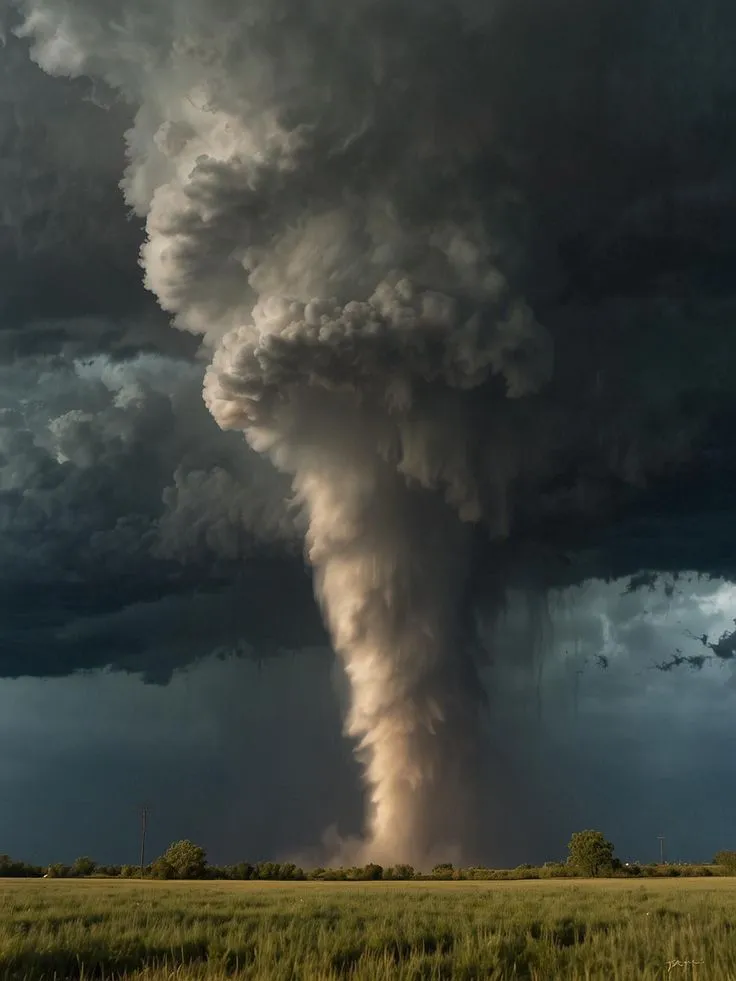
Severe weather may determine the direction of a chase, but the places encountered along the way give the journey much of its character. Across the Great Plains, routes can pass through communities that many visitors would never encounter on a conventional vacation. Travelers researching tornado tours USA 2027 can therefore experience more than changing skies; they can also gain a glimpse of the towns and rural landscapes that define this part of the country.
These stops are not staged tourist attractions. They are working communities where people live their everyday lives. Approaching them with respect while noticing their architecture, local landmarks, and surrounding agricultural scenery can make the road-trip element of storm chasing considerably richer.
Small Towns Create Natural Breaks in the Journey
A day spent crossing open country can involve long stretches of farmland and highway. Arriving in a town naturally changes the rhythm. Fuel stops, meal breaks, or brief pauses may provide opportunities to stretch, reorganize personal belongings, and take in a different environment before continuing.
These ordinary stops often become useful memory markers. Travelers may later remember a particular chase partly by the town where they ate lunch or paused during the afternoon.
Main Streets Show a Different Side of the Plains
Major highways reveal only one view of a region. Smaller communities can offer another. Traditional commercial buildings, local businesses, tree-lined streets, and civic spaces create a visual contrast with the open countryside surrounding them. The architecture may vary between communities, giving each stop its own personality.
For travelers interested in photography, these details can broaden the trip beyond weather images while documenting the region through which the chase travels.
Grain Elevators Become Visual Landmarks
Agriculture has a strong presence across much of the Plains, and grain elevators can be among the most recognizable structures on the horizon. Their height can make them visible before the surrounding community comes fully into view. Against a broad sky, they also provide a useful sense of scale.
Photographers may find that such structures connect the landscape and atmosphere naturally, particularly when changing clouds or late-day light create an interesting background.
Local Stops Can Become Part of the Story
People considering storm chasing tours USA 2027 may initially imagine remembering the trip mainly through storms. In practice, small moments between weather observations can become equally distinctive.
A day’s travel might include:
-
Breakfast before heading toward the target region
-
A fuel stop in a rural community
-
Lunch at a local restaurant
-
A view of a courthouse or water tower
-
Agricultural activity outside town
-
An evening drive through another community
None of these experiences needs to be spectacular. Together, they provide texture to the journey.
Photography Should Remain Respectful
Travel photography in small communities requires some awareness. Buildings, streets, and public landscapes can provide interesting subjects, but residents should not be treated as scenery. Travelers should respect private property and avoid interfering with local activity simply to obtain a photograph.
A wide view of a town beneath an expansive sky or a public streetscape can often communicate a stronger sense of place than intrusive photography anyway.
Towns Help Show the Scale of the Region
Moving between communities also gives travelers a better understanding of Plains geography. Distances that appear modest on a map can feel very different after hours on the road. Each town becomes a reference point within a much larger landscape.
Over several chase days, travelers may gradually develop a mental picture of the region based on places they actually visited rather than names they previously knew only from maps.
Local Landscapes Change Beyond Town Limits
Leaving a community can be just as visually interesting as entering it. Buildings gradually give way to farmland, roads open toward the horizon, and the sky once again becomes the dominant feature. These transitions provide excellent opportunities to notice how settlement and agriculture fit into the wider Plains landscape.
They also make every section of the drive feel connected rather than separating towns from the weather-focused portions of the trip.
Remember Places Alongside Storms
Travelers can make their trip records more meaningful by noting the communities encountered each day. Adding town names to a journal or organizing photographs by location makes it easier to reconstruct the route later. A photograph of a dramatic sky becomes more personal when the traveler remembers where it was taken and what happened before or afterward.
This approach turns the final collection into a record of both weather and travel.
Conclusion
Great Plains communities add an important human and cultural dimension to a storm-chasing journey. Rural main streets, agricultural landmarks, local stops and the transition between small towns and open countryside help give every route its own identity. These places also remind travelers that the Plains are more than a setting for remarkable weather; they are active communities with distinctive landscapes and character. Traveling with Storm Chasing Adventure Tours can combine weather observation with a broader appreciation of the towns, roads and regional scenery encountered along the way